Stop guessing.
Fuel your best race.
A personalized plan for your carb load, your race-day fueling, and how to train your fueling — built from the science and dialed to your body, stomach, course, and kitchen.
A personalized plan for your carb load, your race-day fueling, and how to train your fueling — built from the science and dialed to your body, stomach, course, and kitchen.
Start here
Every sport fuels differently. Pick yours and get a splash built for your races — then a plan built for your body.
Sprint to full Ironman — fueling that reconciles across all three disciplines.
Fuel your triathlon →
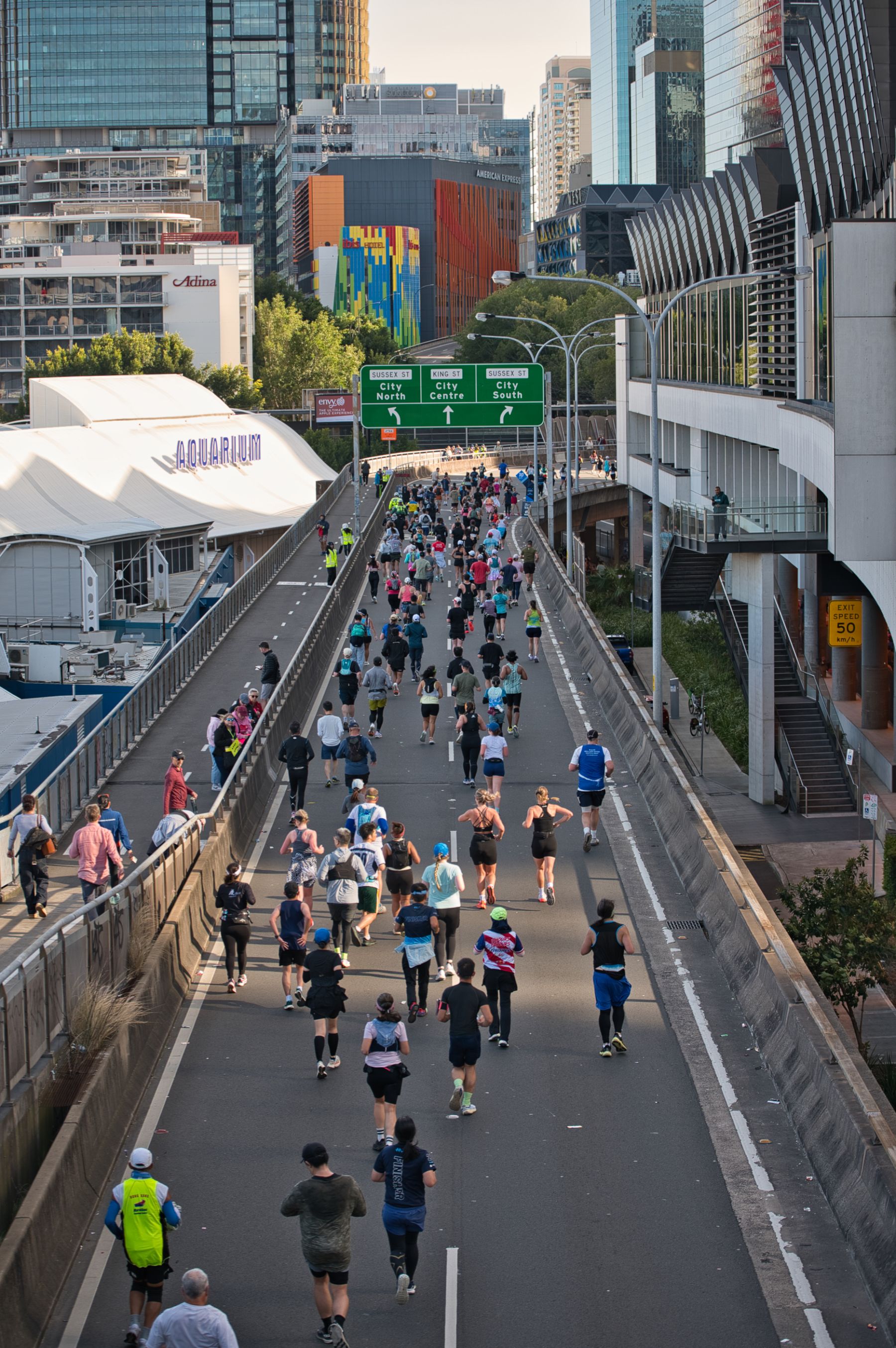
From a fast 5K to a hundred-mile day — carb load and mile-by-mile fuel.
Fuel your run →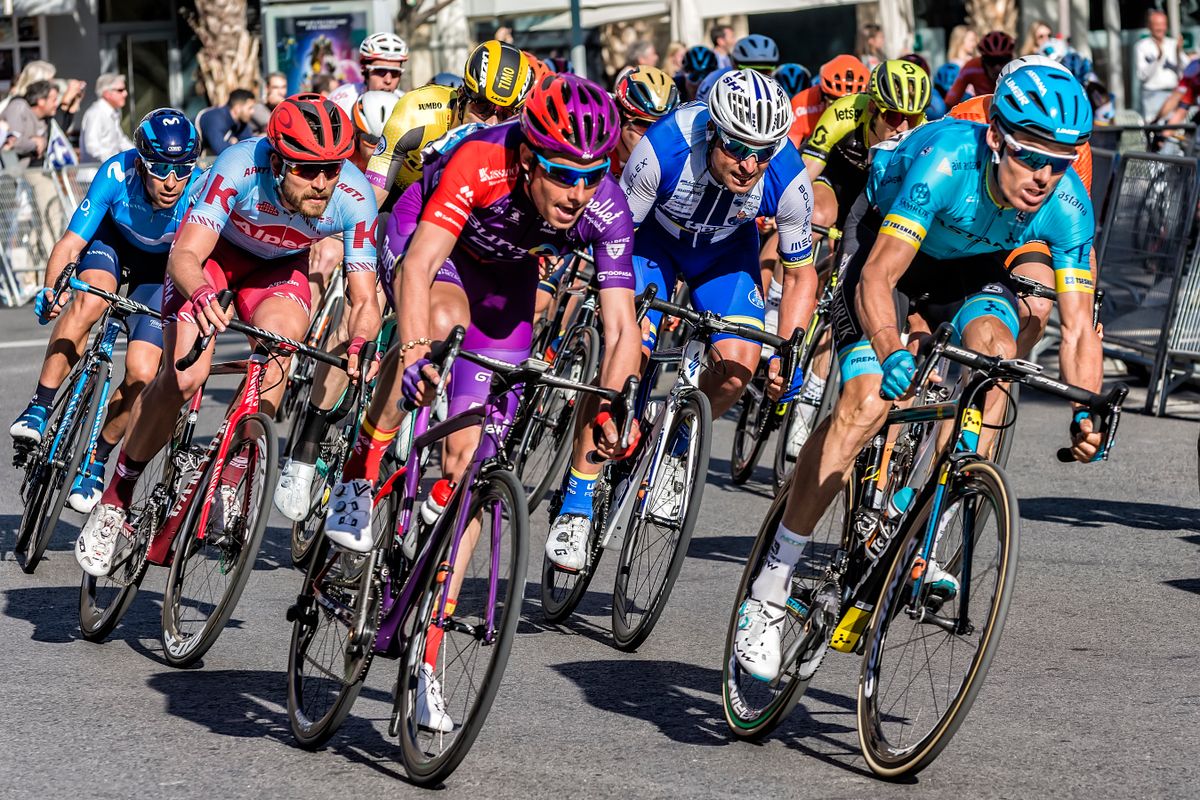
Hours in the saddle — bottle-by-bottle carbs, hydration and sodium.
Fuel your ride →How it works
No spreadsheets, no guessing, no generic ranges. A real plan in minutes.
Your body, your race and splits, your conditions and products. A few quick questions, or go deep — your call.
Every number is set from peer-reviewed sports nutrition and two decades of pro racing — personalized to you, never a one-size range.
Exact grams by the hour, a one-click cart at The Feed, and a plan to practice it so race day is a rehearsal.
See it for real
Preview a genuine plan — your day at a glance, the carb load, and the first legs in exact grams. See the quality and structure; the full plan unlocks when you get yours.
Sarah M., 58 kg — carb load through mile-by-mile fueling.
Preview sample plan ↗Mike T., 74 kg — the complicated one, every detail.
Preview sample plan ↗Dave L., 78 kg — bottle strategy and hourly fueling.
Preview sample plan ↗Everything you get
Not a number. A start-to-finish plan for the days before, race morning, every leg, and the recovery after.
T-2, T-1, and race morning as real meals in grams and ounces — gut-protective and front-loaded, not a 7-day crash.
What to eat and when, anchored to your start time, with your own breakfast foods.
Exact carbs, sodium, fluid, and caffeine per hour on your cadence — bike by the timer, run by the mile.
A personal fluid and salt range built from your sweat and conditions — enough to perform, never over-drinking.
What to carry, when to refill, and what goes in your special-needs bags.
Which sessions to rehearse, and how to build your gut to your race carb rate.
Why your numbers are what they are, race-day tips, and exactly what to do if your stomach turns.
What to take in the first 30–60 minutes after you finish.
Your brands used natively; defaults fill a 100% cart at The Feed in one click.
Buy your exact products
Your plan doesn't just tell you what to eat — it fills a cart. Every gel, drink mix, and electrolyte, in the right quantities, pre-loaded at The Feed. Boxes beat singles when they're cheaper — we do that math for you.
Explore The FeedHow it's built
Every number is a reviewed decision. Targets are drawn from the current peer-reviewed sports-nutrition literature, cross-checked against two decades of professional racing and years of coaching every distance from sprint to full Iron.
A note from the founder
After more than 20 years of racing professionally, I noticed the same pattern over and over: the biggest reason athletes have bad races isn't fitness — it's fueling.
With a B.S. in Health Sciences, a Master's in Physical Therapy, and years of coaching endurance athletes, I wanted to combine science with real-world racing experience. RaceFuelPlanner gives you a personalized fueling plan so you arrive at the start line knowing exactly what to eat, when to eat it, and why.
Quick answers
Most endurance athletes tolerate 60 to 90 grams of carbohydrate per hour, and athletes who have trained their gut on multiple transportable carbohydrates can go higher. The right number is the rate you have actually practiced at race intensity, not the highest figure you have read about. RaceFuelPlanner sets your target from your race distance, expected duration, sport and conditions, and caps it at what a trained gut can absorb.
Sodium needs vary widely between athletes and rise sharply in heat and humidity, so a plan should be built from your own sweat rate and how salty you sweat rather than a single generic number. RaceFuelPlanner gives you an evidence-based sodium range per hour for your conditions and race duration, and places your plan in the middle of that range rather than at the top.
Raise carbohydrate intake across the final two days while reducing training volume, rather than eating one large meal the night before, and keep fiber low on the final day to reduce gastrointestinal risk. RaceFuelPlanner produces a day-by-day carb load scaled to your body weight and race, written as real meals in grams, including race morning.
RaceFuelPlanner builds free personalized race fueling plans for full and half Ironman, marathon and ultra running, and gran fondo and gravel cycling. Each plan covers carbohydrate per hour, fluid and sodium, a two-day carb load, race-morning timing, leg-by-leg fueling on an elapsed timer, and a printable race-day plan.
Ultra events shift the problem from hitting a maximum carbohydrate rate to sustaining an intake you can keep tolerating for many hours, which usually means more variety, some real food, and closer attention to sodium and fluid as conditions change. RaceFuelPlanner adjusts targets for very long durations rather than extrapolating a shorter-race plan.
RaceFuelPlanner was created by Angela Naeth, a professional triathlete and gravel cyclist who has raced professionally since 2009 and coached endurance athletes since 2010. She is a three-time sub-9-hour IRONMAN champion and 19-time IRONMAN 70.3 winner, finished 8th at the 2018 IRONMAN World Championship in Kona, and holds a Master of Physical Therapy.
Yes. RaceFuelPlanner is free to use. It is educational software and a guidance tool rather than medical or dietary advice, and every plan should be practiced in training before race day.
We use a research-grounded default scaled to your weight — and flag it transparently.
Yes — swap any product on any leg and it recalculates instantly.
Half & full marathon, ultra, sprint / Olympic / 70.3 / full triathlon, gran fondo, century.
No — it's a science-backed coaching framework. Always practice fueling in training.